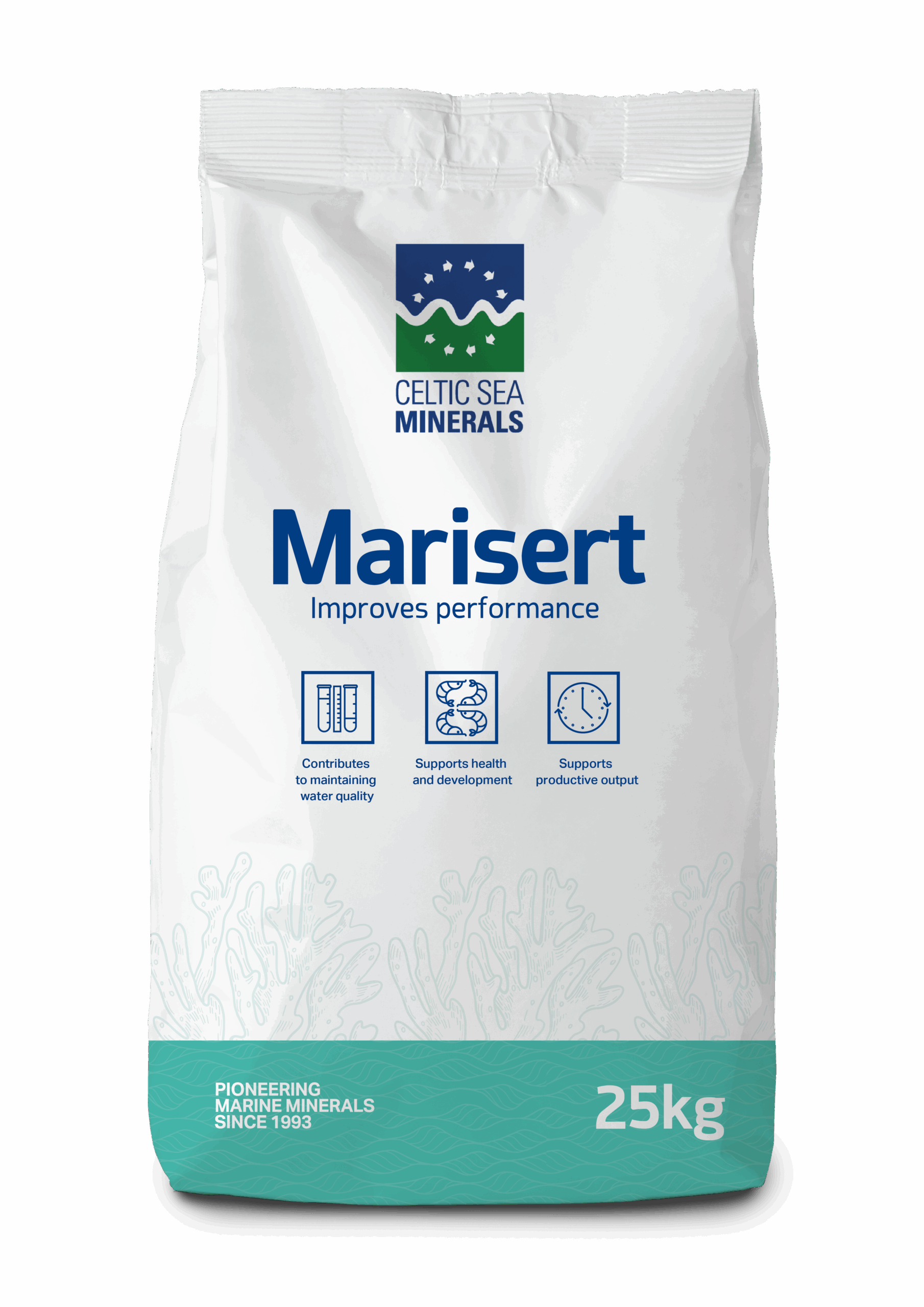
Average grow out times were 84 days with an average weight of 18.64 grams, survival of 81 percent and 7.55kgs/cubic meter. Average growth, independent of mineral treatment was 1.47grams/week. It appears that the nutritional advantage is principally provided in the first 50–70 days of post larval development. Looking at the end of the nursery period (47 days post larval), the shrimp using a three percent Marisert supplement achieved an average size 29 percent larger than their control counterparts. This cuts eight days off the nursery period, dramatically reducing support requirements and feed costs. If nursery operations are run in parallel with grow out, the combination of time saved in the nursery phase and the grow out phase will save 16 days in a cycle.
This translates to at least 54 extra growing days a year for production or an increase of 14.7 percent, minimum, in potential annual production. It also had the added benefit of eliminating the need to monitor the system’s alkalinity and do buffer additions during the last five weeks of the grow out cycle. This represents a significant decrease in the monitoring effort and the elimination of another chemical additive late in the grow out cycle.
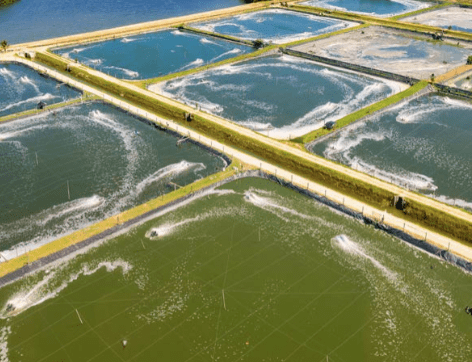
Two further trials were conducted in Guatemala in 2022 and 2023. The first trial had a stocking density of 80 shrimp/mt² with a three kg inclusion of Marisert. Protein level of 30 percent. Larvae were same origin and plated same day or one day difference. Ponds at a size of 5000mts with five each for both the control and treatment. Weekly measurements were conducted with technical personnel from a leading Guatemalan aquaculture company that specialises in shrimp. Trials were done at a difficult period of time due to cold weather entering Guatemala at the end of the trials November/December.
The second trial conducted in 2023 relayed similar results. Feed formulation had only vegetable protein (soy) at 30 percent protein level. Stocking density was 100 shrimp/mt². 10 ponds once again were used split evenly between control and treatment. Rain happens in late May and June, when the rainy season starts, not much change in water quality and temperature average of 24–28 degrees Celsius – the best time of the year to produce shrimp in Guatemala.