Greenitives CSM sheep white background HR @Pngguru

In an era where consumer trust and regulatory scrutiny walk hand in hand, the use of antibiotics as growth promoters in animal production is under more pressure than ever before. For feedlot systems – especially those finishing lambs on high-concentrate diets – this presents a new challenge: how to maintain performance, efficiency and rumen health without relying on ionophores like monensin.

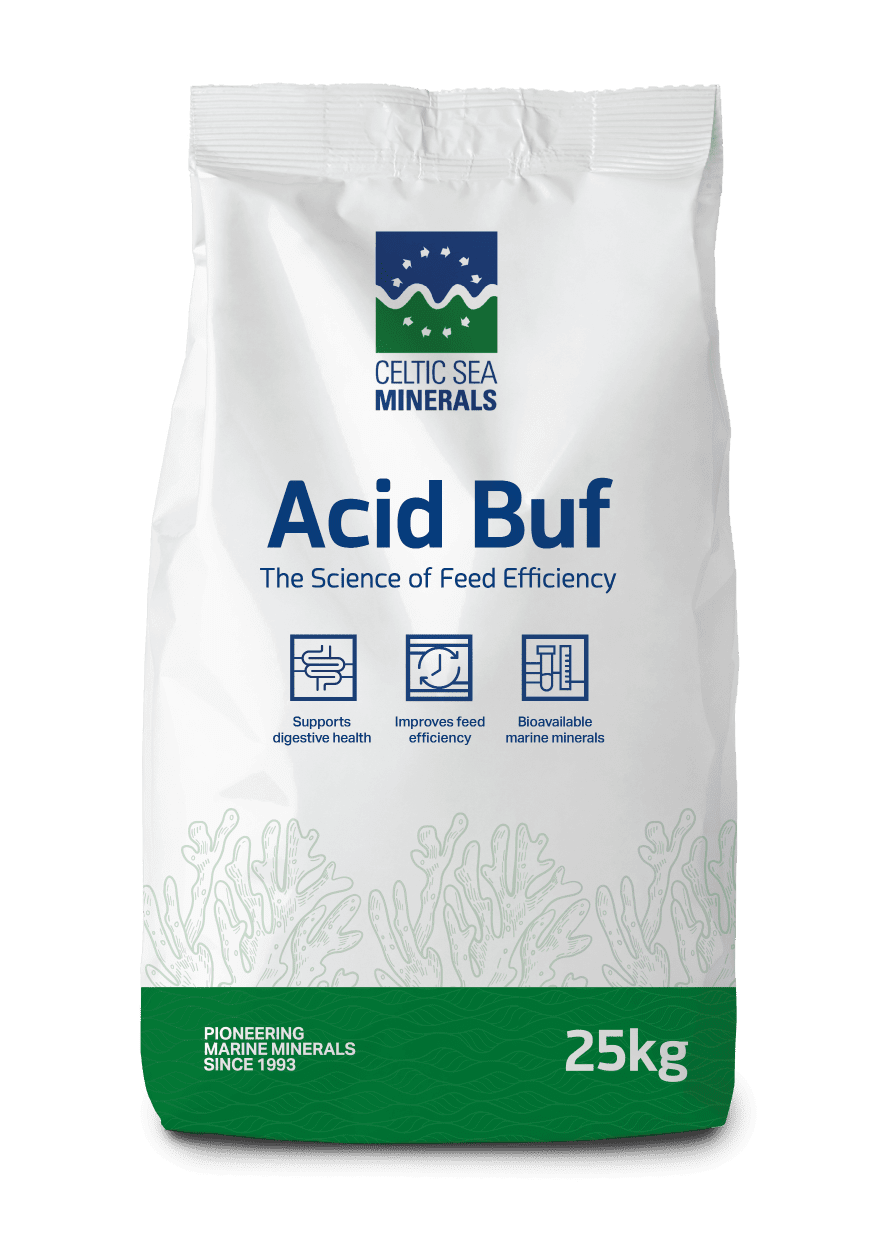
A study in South Africa, promising insights on the role of Acid Buf, have been brought into this conversation. The implications could be significant for the way we finish ruminants, not only in terms of animal performance but also in supporting gut health under intensive conditions.

The Case Against Ionophores

Monensin has long been a feedlot staple for ruminants, appreciated for its ability to modulate rumen fermentation, improve feed efficiency, and suppress digestive upsets. However, public concern around antimicrobial resistance and the residual presence of antibiotic agents in animal products has triggered policy shifts around the world. The European Union led the way, banning antibiotics as growth promoters in 2006, and similar moves are gaining traction elsewhere.

As the sector seeks credible alternatives, natural additives – ranging from yeasts and essential oils to buffers and enzymes – are under increasing investigation. Buffers, in particular, offer a unique mode of action: stabilising rumen pH during diet transitions and mitigating acidotic conditions, without exerting antimicrobial pressure on the rumen microbiome.

Testing a Natural Buffer in the Feedlot

Researchers at the University of Pretoria set out to evaluate whether a calcified marine algae-based buffer (Acid Buf) could match the performance of monensin in feedlot lambs. The trial involved nearly 1,200 Mutton Merino lambs, distributed across three treatments: a standard monensin group, a group receiving Acid Buf alone, and a third receiving both.

The lambs were fed a conventional feedlot sequence – starter, grower, and finisher diets – based on lucerne, hominy chop, and maize. These diets, rich in starch and fermentable carbohydrates, are notoriously challenging to manage, especially during the early transition when rumen adaptation is still underway.

Animals were fed for up to 70 days, with daily intakes and body weights closely monitored. Rumen pH was also measured at strategic time points using rumenocentesis, offering a direct window into the animals’ ability to cope with the high-concentrate regime.


The Results: Performance Without Compromise

Interestingly, the study found no significant differences in average daily gain (ADG), feed conversion ratio (FCR), or final carcass weight between the three treatment groups. Lambs receiving the natural buffer performed on par with those fed monensin, even when Acid Buf was used as a standalone additive.

While lambs on the monensin diet reached market weight slightly faster (around four days sooner), this small difference in days on feed (DOF) was not accompanied by any advantage in terms of weight gain or efficiency. Moreover, the Acid Buf group demonstrated steady daily feed intake (DMI), avoiding the temporary intake dip observed in the monensin-only group during the first week of feeding. This suggests that Acid Buf may offer a smoother transition during dietary adaptation, supporting stable intake during a vulnerable window.

Rumen Health and pH Stability

From a rumen health perspective, the results are equally compelling. Rumen wall scoring, a post-mortem evaluation of internal damage due to acidosis, revealed no meaningful differences between treatments. All groups remained within acceptable thresholds, though a small percentage of minor lesions were observed – a common outcome in feedlot settings.

Where Acid Buf may have shown its greatest promise was in supporting rumen pH stability during transition periods. As expected, rumen pH declined during the early days of the starter diet as lambs adapted to higher starch levels. But by day 13, pH readings in the Acid Buf group had begun to stabilise, matching or exceeding those in the monensin group. This suggests that natural buffering agents can be just as effective in managing rumen fermentation during the critical adaptation phase.

The ability to stabilise rumen pH without disrupting microbial populations is a particularly valuable trait, especially as we look to move away from antibiotic-based modifiers.

A Viable Future—With Caveats

The findings make a strong case for Acid Buf as a viable, non-antibiotic tool in feedlot nutrition, offering equivalent performance, comparable rumen health outcomes, and added stability during the transition onto grain-based diets. For systems looking to align with antibiotic-free claims, organic standards, or simply reduce reliance on synthetic inputs, it presents a credible option.

Conclusion: Buffering the Future

The era of routine antibiotic use in animal production is gradually closing. What replaces it must do more than just mimic performance – it must support health, resilience, and sustainability in systems under pressure.

Acid Buf, as demonstrated in this trial with lambs, provides one such alternative. It maintains growth rates, supports feed efficiency, protects rumen integrity, and offers a more transparent approach to managing gut health in high-performance settings.

Whether you’re finishing lambs for a premium market or looking to future-proof your feedlot system, natural buffering may be part of the path forward – keeping animals thriving, without leaning on the crutches of the past.

Related News & Articles